Door Tag Template SVG Cutting Files Review
A First Look at the Door Tag Template SVG Cutting Files
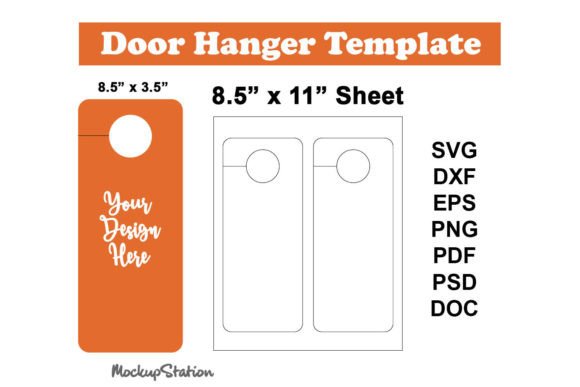
As a designer who's spent years working with machine embroidery, I always start by looking at the Door Tag Template SVG Cutting Files through the lens of practicality. This design has a clean, minimalist feel that immediately suggests it's suited for functional yet stylish applications. The layout is simple but deliberate, with a focus on readability and visual clarity. It feels like something you'd see on a boutique door hanger or a personalized gift tag—something that doesn't shout but still makes an impression.
The size, 8.5 x 3.5 inches, fits nicely within standard printing formats, which makes it easy to work with when preparing mockups or final prints. The shape itself feels versatile—neither too rigid nor too abstract. It’s a good candidate for a range of projects, from custom apparel to handmade product packaging. What stands out is how the template maintains its integrity across different file formats, including SVG, EPS, DXF, and more, which gives it flexibility in use cases.
Real-World Use: Testing the Design in Embroidery Projects
I recently used this template to create a custom embroidered tote bag for a client. The Door Tag Template SVG Cutting Files were ideal for adding a subtle, branded tag to the inside of the bag. The design didn’t overwhelm the fabric, and the stitch lines were crisp and clear even after washing. It felt professional and added just enough detail to elevate the finished product without being distracting.
Another scenario where this template shines is in holiday embroidery or nursery decor. Imagine using it as part of a baby name tag or a small patch for a handmade quilt. The simplicity of the design allows it to blend well with other elements while still standing out. It’s not overly detailed, which is a plus if you're working with small hoop sizes or textured fabrics, where intricate designs can get lost.
When it comes to sweatshirt embroidery or cap patches, this design could be a great fit for a secondary logo or a small accent. However, I would recommend testing it first on scrap fabric to check stitch density and thread color contrast. This ensures that the final look matches your expectations and doesn’t cause any issues with stabilizer or fabric stretch.
Where to Use with Caution
While the Door Tag Template SVG Cutting Files are quite adaptable, there are certain situations where they might not perform as well. For instance, if you're working with dark fabric, the design might require a contrasting thread color to maintain visibility. Similarly, if you plan to use it on curved surfaces like caps or layered garments, you may need to adjust the placement or consider using a different stitch type, such as satin stitch or running stitch, to avoid distortion.
Tiny lettering or dense stitch areas could also be problematic if you're aiming for a high level of detail. In those cases, I’d suggest simplifying the design slightly or using a higher-quality stabilizer to prevent puckering. It’s also worth checking whether the design works well in both light and dark fabric backgrounds before finalizing a project.
Design Impact on Visual Appeal and Branding
The Door Tag Template SVG Cutting Files contribute to the overall visual appeal of a product in a subtle but effective way. They add a touch of professionalism and attention to detail that customers often notice, even if they can’t put their finger on why. For craft businesses, Etsy sellers, or small shop products, this kind of finishing detail can make all the difference in customer trust and repeat sales.
From a branding perspective, the design offers consistency across different embroidery projects. Whether you’re creating personalized gifts, commercial embroidery, or digital embroidery files, having a reliable template like this helps maintain a cohesive look and feel. It’s especially useful for printable mockups or design assets that need to align with a brand’s identity.
Practical Embroidery Designer Notes
Before using the Door Tag Template SVG Cutting Files in any project, I recommend a few key steps:
- Test on scrap fabric: Always do a test run to see how the design looks in real life, especially if you're using it on a new fabric type or with a specific thread color.
- Check thread color contrast: Make sure the chosen thread color stands out against the fabric background. A light thread on dark fabric might not be visible enough.
- Review stitch density: If the design is too dense, it could cause puckering or affect the fabric’s drape. Adjust as needed.
- Confirm hoop size: Ensure the design fits comfortably within your hoop size to avoid stretching or misalignment.
- Inspect small details: If the design includes tiny elements, make sure they stitch clearly and don’t get lost in the process.
- Test in black and white mockups: This helps assess how the design will look under different lighting conditions or on various fabric colors.
- Use proper stabilizer: Especially important when working with stretchy or thin fabrics to prevent shifting during stitching.
- Check licensing: Before selling any finished items or digital products, confirm the license terms to ensure you’re allowed to use the design commercially.
Overall, the Door Tag Template SVG Cutting Files offer a solid foundation for a variety of embroidery projects. Whether you're creating handmade products, custom apparel, or small shop merchandise, this design brings a sense of quality and thoughtfulness to your work. As long as you take the time to test and adapt it to your specific needs, it can be a valuable asset in your creative toolkit.